
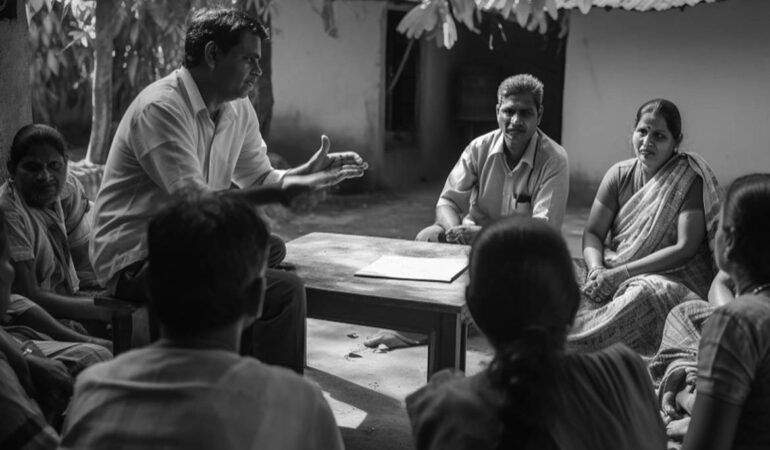
Womens Led SHGs in Sickle Cell Care: From Caregivers to Community Leaders
In tribal regions of Madhya Pradesh, where sickle cell disease remains a serious public health concern, Women-Led Self-Help Groups (SHGs) are emerging as powerful agents of change. Traditionally seen as caregivers within families, these women are now stepping forward as community leaders in sickle cell care.
Sickle Cell Disease (SCD) is a genetic blood disorder that requires early diagnosis, regular monitoring, and continuous treatment. While government initiatives like the National Sickle Cell Anaemia Elimination Mission have expanded screening programs, gaps in awareness, follow-up care, and counseling still exist at the grassroots level. This is where women-led SHGs are making a meaningful difference.
Through regular meetings and community outreach, SHG members spread awareness about early screening, genetic counseling, nutrition, and adherence to treatment. They help families understand the importance of timely medical check-ups and guide them to nearby health centers. Many groups also assist in mobilizing patients for screening camps and ensuring that children diagnosed with SCD receive proper follow-up care.
Beyond health support, these women reduce stigma associated with genetic disorders by encouraging open discussions. Their leadership strengthens trust between healthcare systems and communities.
From silent caregivers to confident change-makers, women-led SHGs are transforming sickle cell care into a community-driven movement—proving that empowered women can build healthier futures for entire generations.